Aging As An Athlete - Your Mind Remembers. Your Body Has Changed | EP 803
About this episode
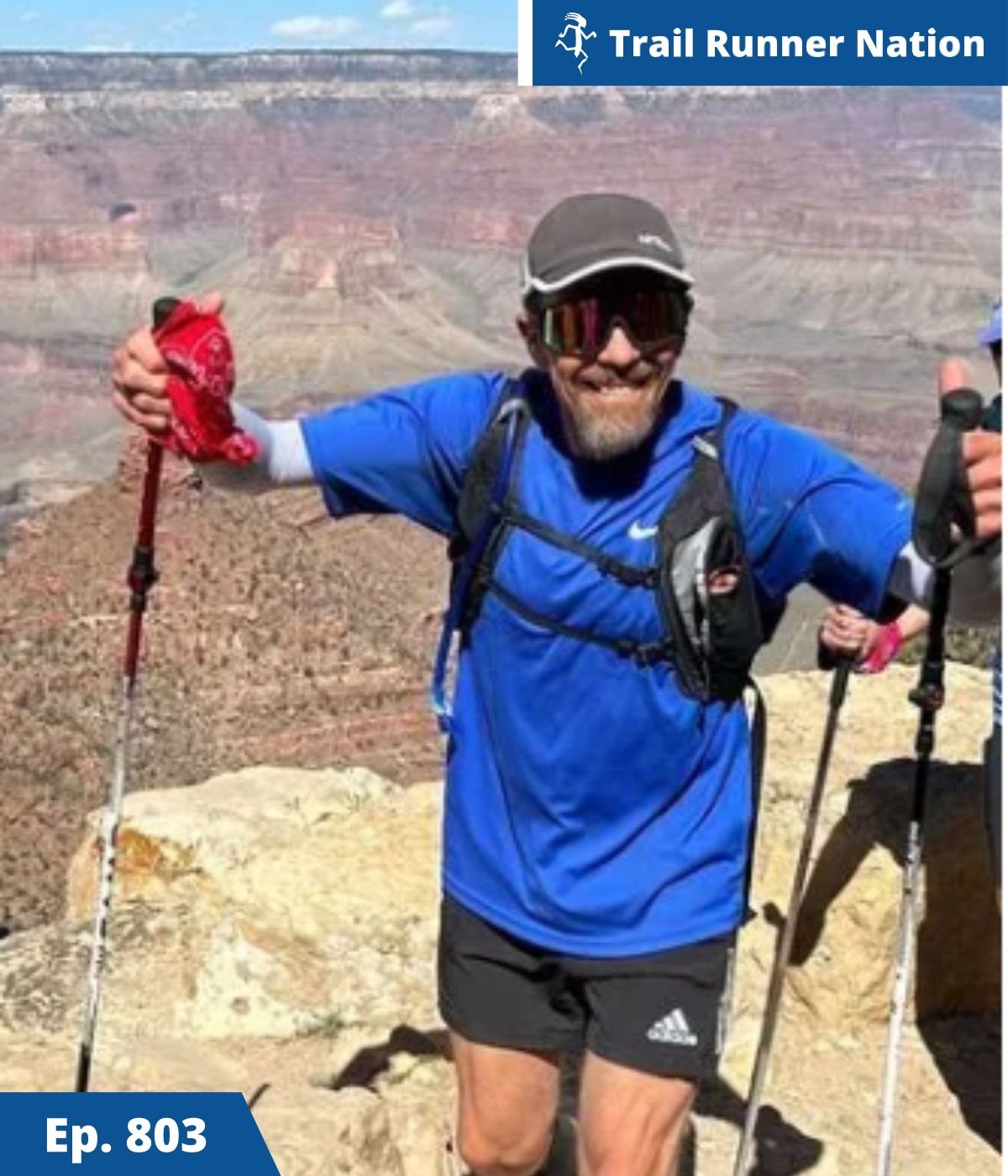
In this new Aging As An Athlete episode with Krissy Moehl, Coach Kirk Keller has been running since 1974, and nearly six decades later, he’s still training, racing, coaching, and figuring things out. He joins The Nation to talk about one of the hardest lessons for aging athletes: the training that worked years ago may not be the training your body needs today. The conversation covers consistency, recovery, RPE, mental training, durability, and the danger of comparing today’s pace to an earlier version of yourself. Kirk also shares a fresh lesson from the Bridger Ridge Run, where tired legs forced him to reconsider his own recovery and training load, proving that even an experienced coach still has to keep rewriting the playbook. Krissy adds her perspective on how experience, durability, life stress, and smarter recovery have changed her approach to training in her 40s. The bigger message is encouraging: aging changes the athlete, but it can also bring wisdom, perspective, problem-solving skills, and a deeper appreciation for simply being out there.
LINKS:
EPISODE SPONSORS
Tifosi Optics - CLARITY ON THE TRAIL: Post your Golden Nugget of wisdom that helps you recover after a huge effort on Instagram, tag @TifosiOptics, @TrailRunnerNation, and use the hashtag #ClarityOnTheTrail. OR try texting us (within the USA) with your tip: 916-235-3928.
If we use yours on a weekly episode, you get a pair of the new Sanctum SL glasses!
RunMotion Coach: Whether you’re training for your first trail race or chasing a new ultra PR, RunMotion Coach creates a personalized training plan that adapts to your schedule, fitness, and progress. Built by experienced coaches and powered by intelligent coaching technology, it helps you train smarter, stay consistent, and arrive at the starting line ready for your next adventure.
Timestamps
02:43 – Why Coach 40+ Athletes? Kirk explains what makes older athletes so rewarding to coach, including their commitment, clear goals, and occasional tendency to do too much.07:35 – Can We Still Get Faster as We Age?
The group examines age, previous training history, accumulated mileage, and why personal bests mean something different depending on when someone began running.
12:58 – Consistency, Durability, and Training After 40
Kirk identifies consistency as a major predictor of success and explains why older athletes may need a flatter, more patient approach to building toward big goals.
29:58 – The Biggest Mistake Aging Athletes Make
Kirk argues that denying the effects of age can hold runners back, while accepting change creates room to adjust and keep doing meaningful things on the trail.
34:54 – Why RPE Becomes More Valuable With Age
They discuss using perceived effort instead of chasing old splits, giving runners a more useful way to measure effort across changing terrain and changing bodies.
37:28 – Training the Aging Runner’s Brain
Kirk explains why mental skills remain trainable and how runners can recognize negative thoughts, verbalize them, and replace them during difficult moments.
43:38 – A Coach Learns His Own Recovery Lesson
After struggling early at the Bridger Ridge Run, Kirk realizes he had stacked hard training too closely together and needs to rethink recovery at age 67. The conversation expands into durability, wisdom, changing expectations, and the value of continually experimenting with training as we age.
Hosted by Simplecast, an AdsWizz company. See pcm.adswizz.com for information about our collection and use of personal data for advertising.